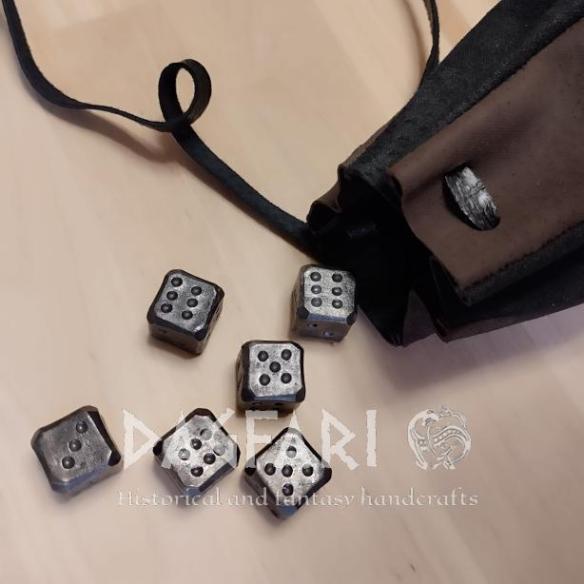
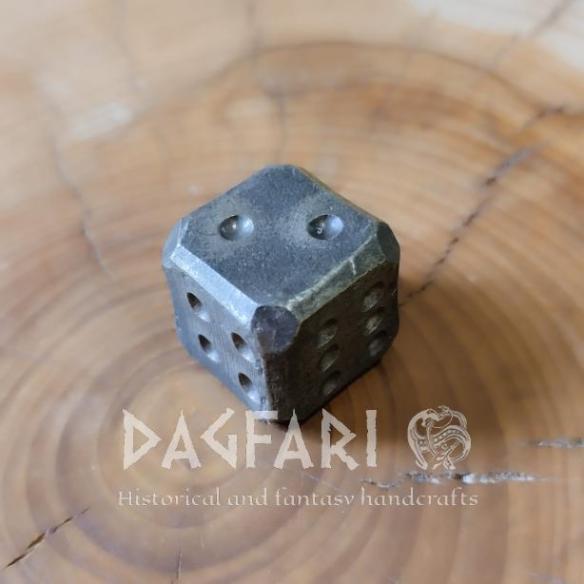
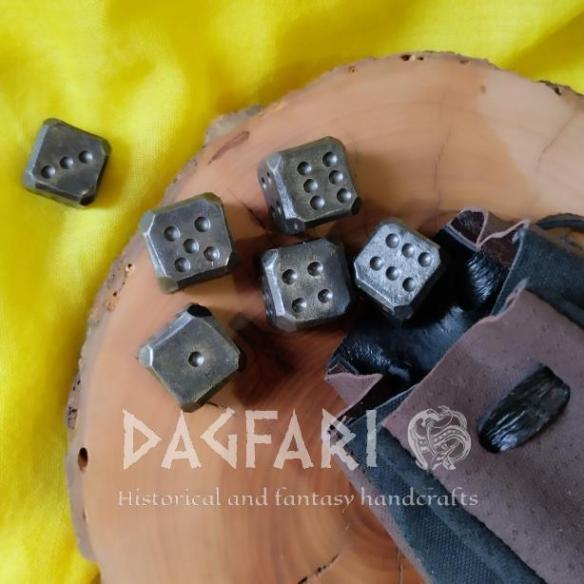
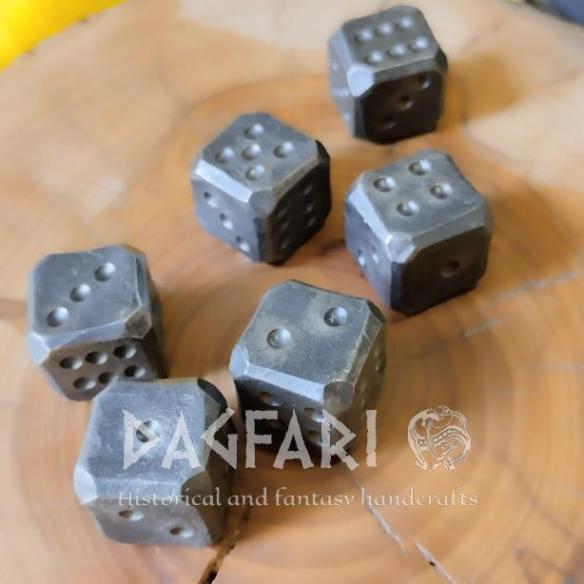
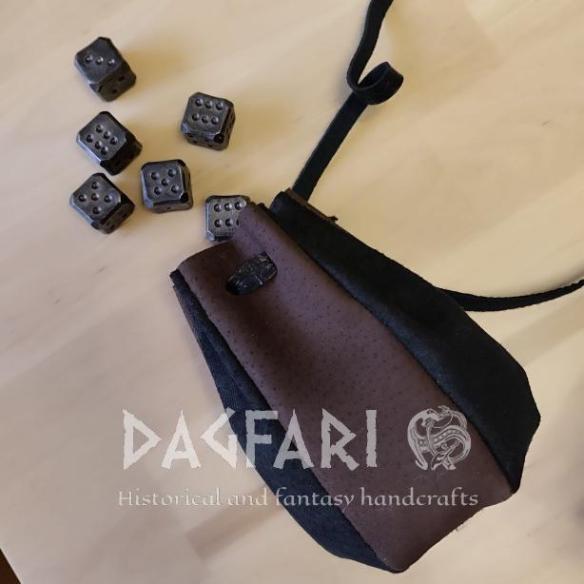
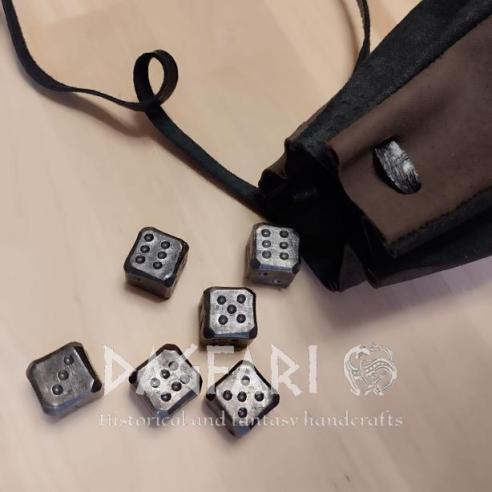
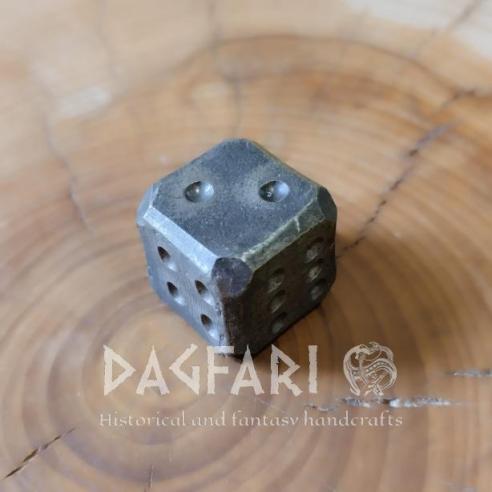
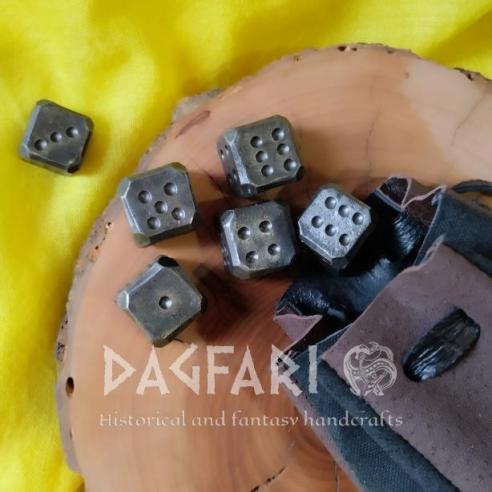
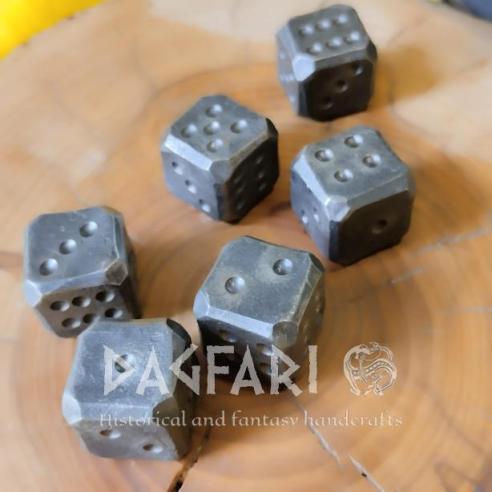
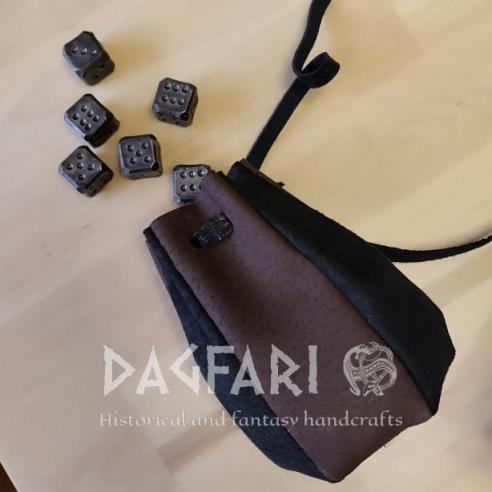
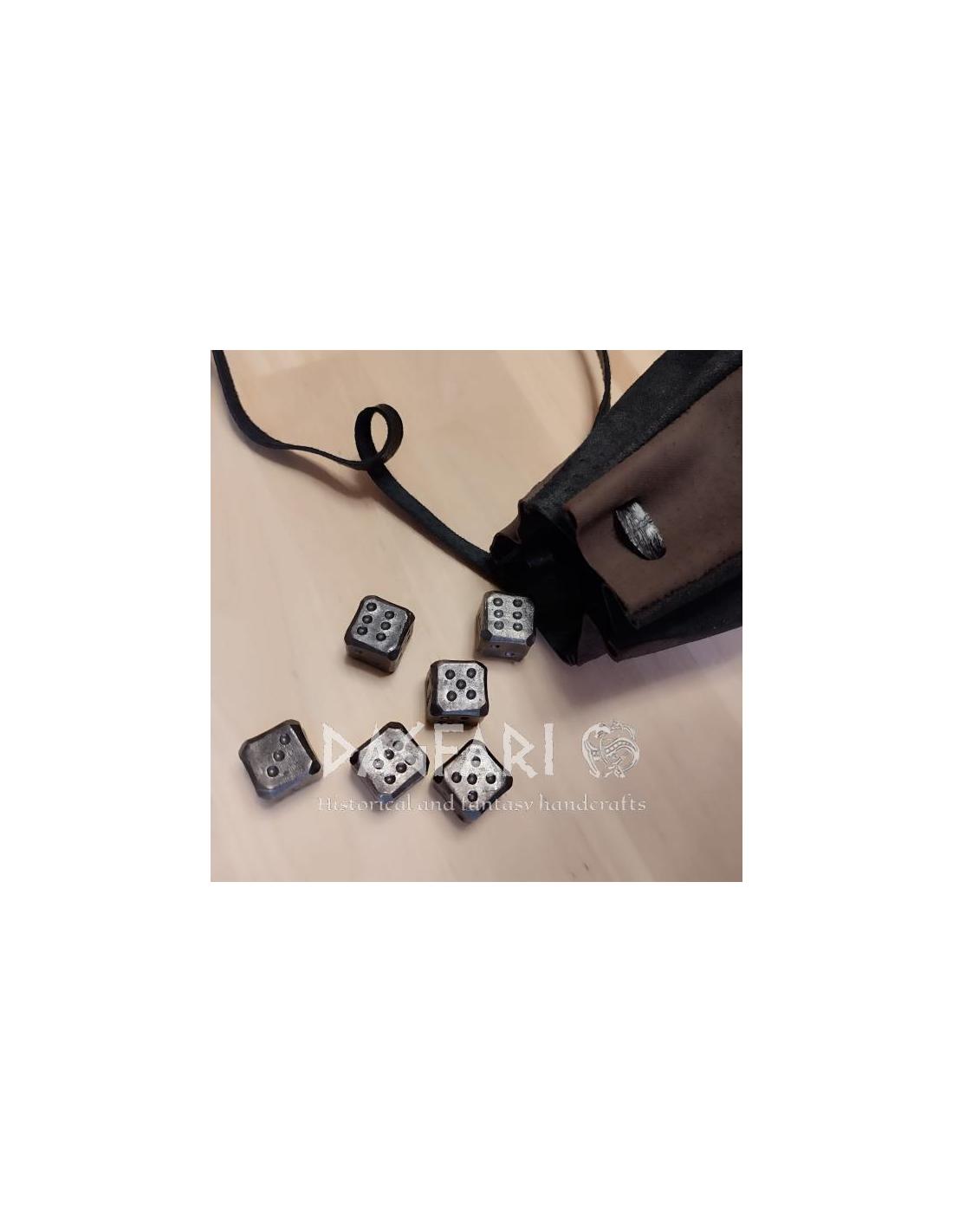
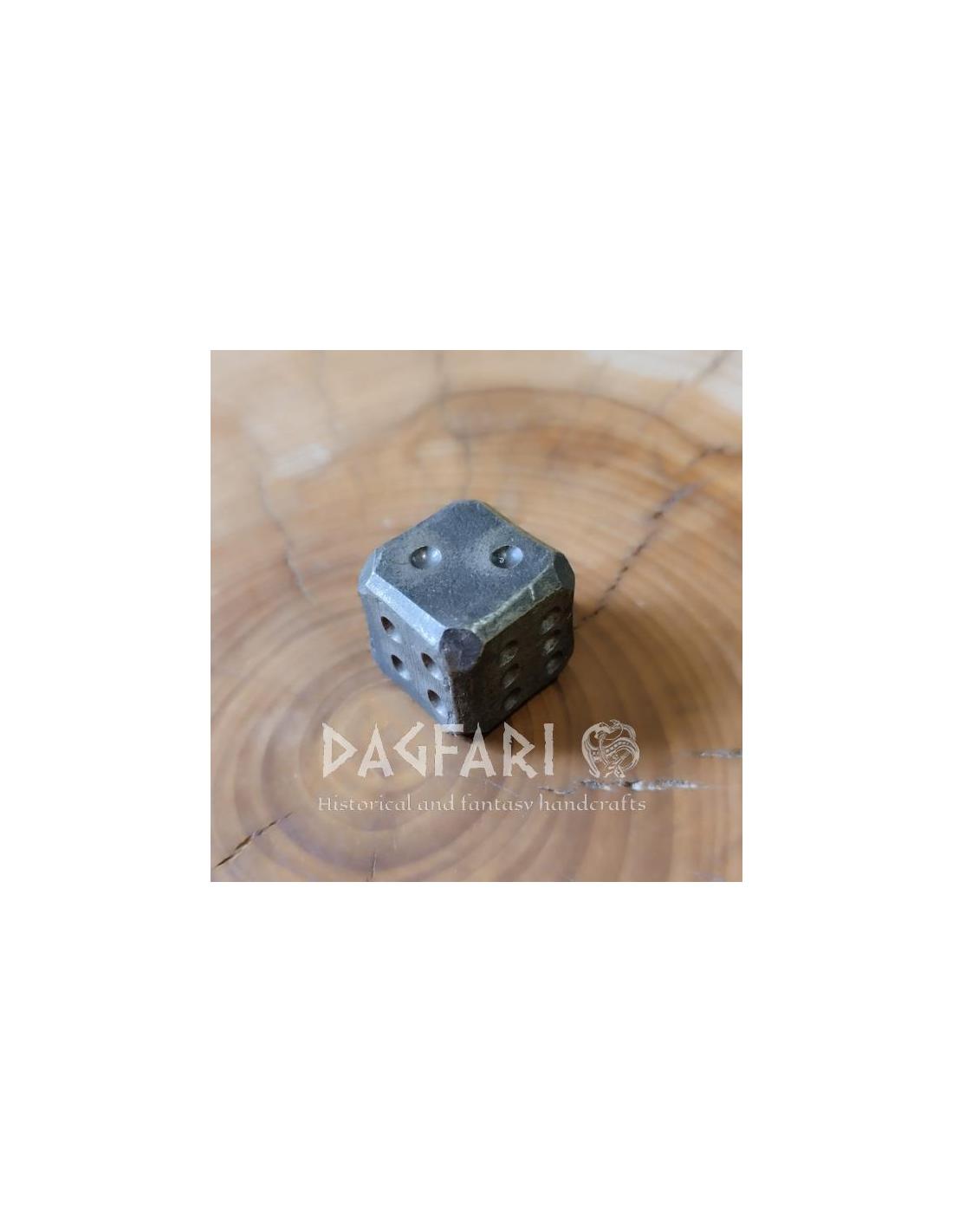
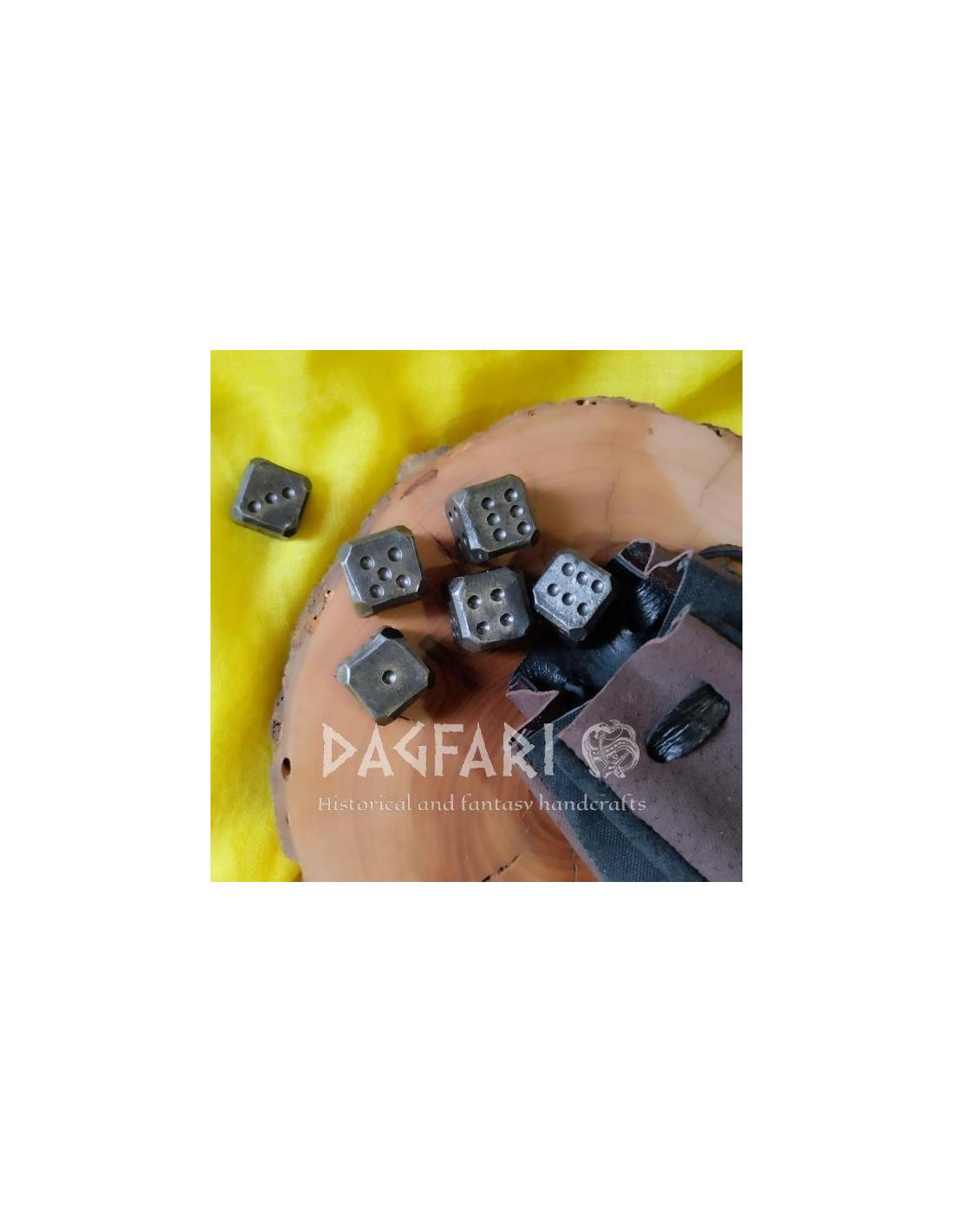
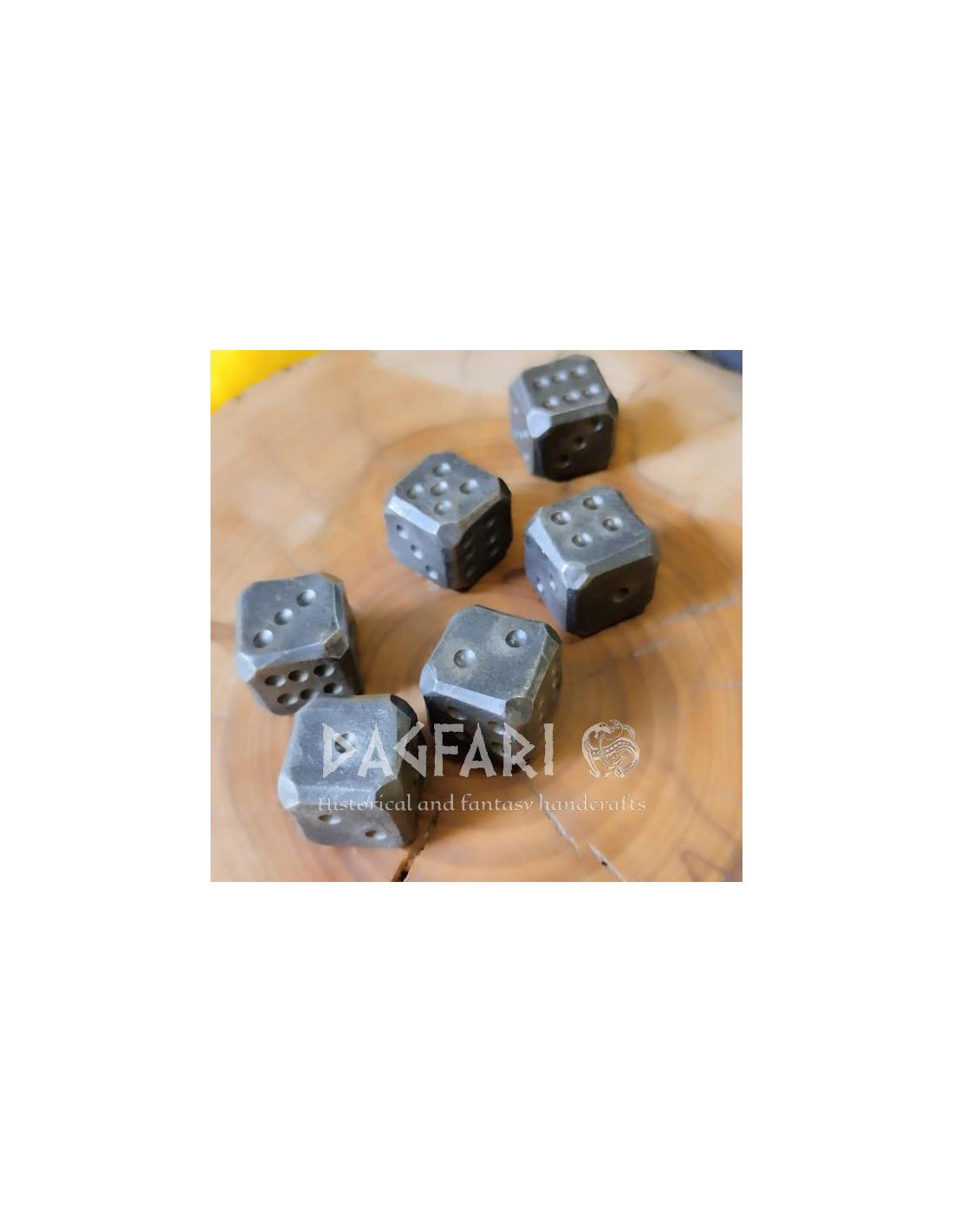
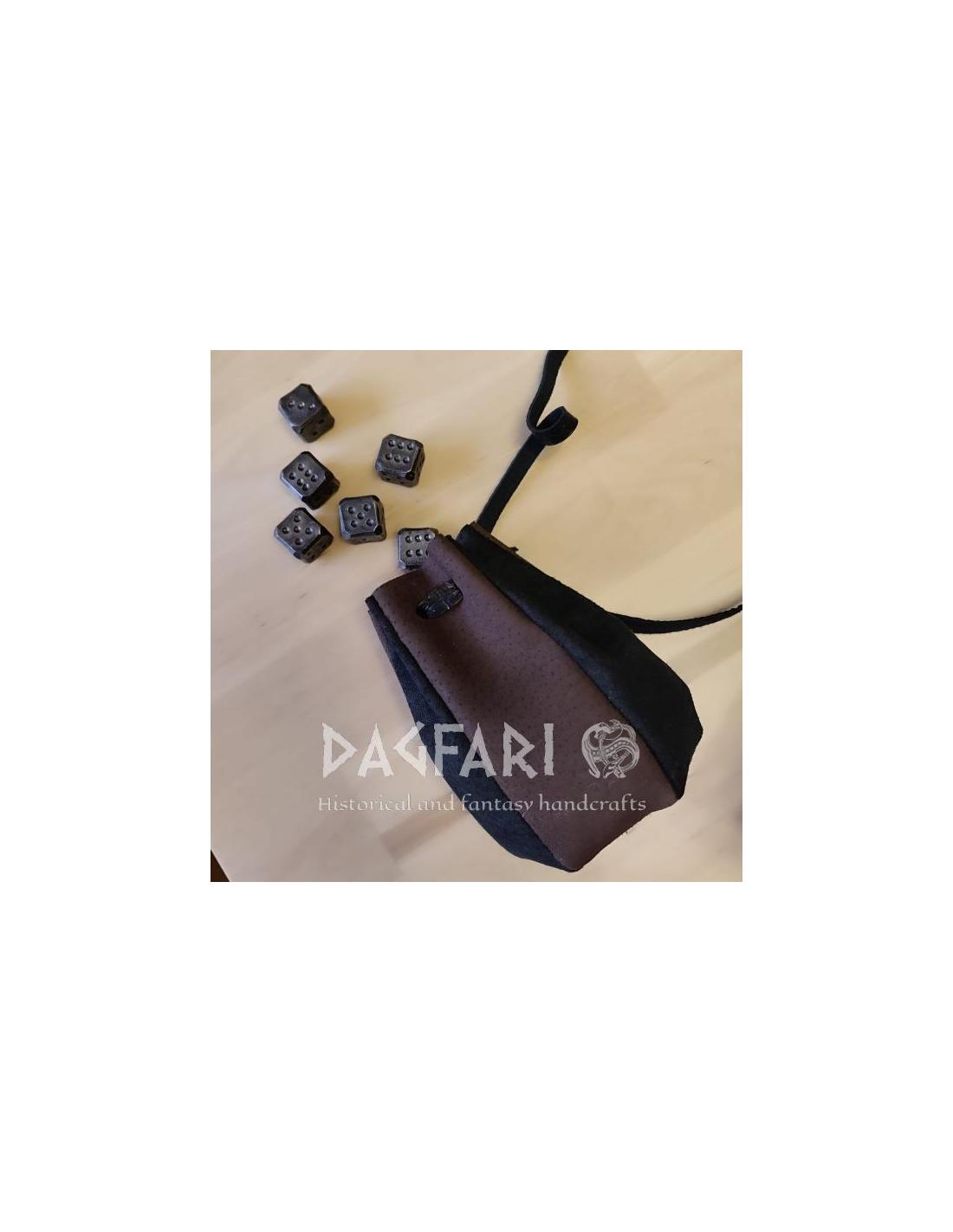
Solid gaming dice made from steel or iron. Their substantial weight provides a unique rolling experience compared to standard plastic dice. Perfect for collectors, gifts, display or stylish gameplay.
Care
Iron and regular carbon steel may develop rust if exposed to moisture for extended periods. This is a natural property of the material and is not considered a manufacturing defect.
- Do not leave the dice wet or submerged in water.
- Dry thoroughly after contact with moisture.
- Store in a dry place.
- For long-term protection, apply a very light coat of mineral oil or protective oil occasionally.
Minor surface rust can be removed easily with a soft cloth and a little oil or with fine steel wool.
The feeling that luck or the gods are on your side is still desirable, even though we’ve known for a long time that the outcome of a roll is determined primarily by probability.
One thing is certain: dice have entertained people for several thousand years. They were made from bone, antlers, clay, ivory, marble, or bronze, and often weren’t even perfectly cubic. Even today’s arrangement of numbers on a die was not always the norm—it was only over time that the rule that the sum of opposite sides is seven (1–6, 2–5, 3–4) became established.
Did you know that gambling was so widespread in Norway during the Middle Ages that the authorities of the time banned it? In the 13th century, the law even allowed the king’s officials to confiscate money from gambling tables and impose a fine of half a mark—approximately 107 grams of silver—on each player.
The oldest known dice come from the region of present-day Iran and are approximately 5,000 years old. Archaeologists discovered them during excavations of the ancient city of Shahr-e Sukhteh, where they were found alongside one of the oldest known board games.
In ancient Rome, dice games were so popular that soldiers, merchants, and even emperors played them. Nevertheless, they were officially banned outside the period of the Saturnalia festival. The Romans, however, did not take the ban too seriously and played in secret at taverns or in private homes.
One of the most famous phrases in history is associated with dice: “The die is cast!” (Latin: Alea iacta est), which Julius Caesar is said to have uttered upon crossing the Rubicon River in 49 B.C. With this act, he sparked a civil war and changed the course of Roman history.
In medieval Europe, dice were a popular pastime among all social classes—from peasants to the nobility. However, the Church often condemned gambling as a vice, and in some monasteries, monks were expressly forbidden from playing.
Interestingly, not all historical dice were fair. Archaeologists have repeatedly uncovered so-called “rigged dice” with a deliberately shifted center of gravity or irregular sides, which increased their owner’s chances of winning. Cheating at dice games is therefore almost as old as the dice themselves.
Modern casinos use perfectly balanced dice manufactured with exceptional precision. The edges are sharp, not rounded, to ensure that each roll is as random as possible. After a certain period of use, the dice are discarded as a precaution so that even minor wear and tear cannot influence the results.
But dice are not just a symbol of gambling. To this day, they remain an integral part of hundreds of party games, tabletop RPGs, and educational tools. A simple object that originated millennia ago has thus become one of the longest-used gaming tools in human history.
Size: approx. 1.5 cm
Weight: 30 g
I hold the certificate Zápraží - Original Product - which supports craftsmen in the region southeast of Prague. It means that everything was made by hand here, in the heart of Bohemia.
I also received the Master of Crafts of the Central Bohemia Region award - it honours craftsmen for their long-lasting endurance in a craft that is revived and popularised at home and in the world.